
What to Expect at Your Pet's First Veterinarian Hospital Visit in Roseville, CA
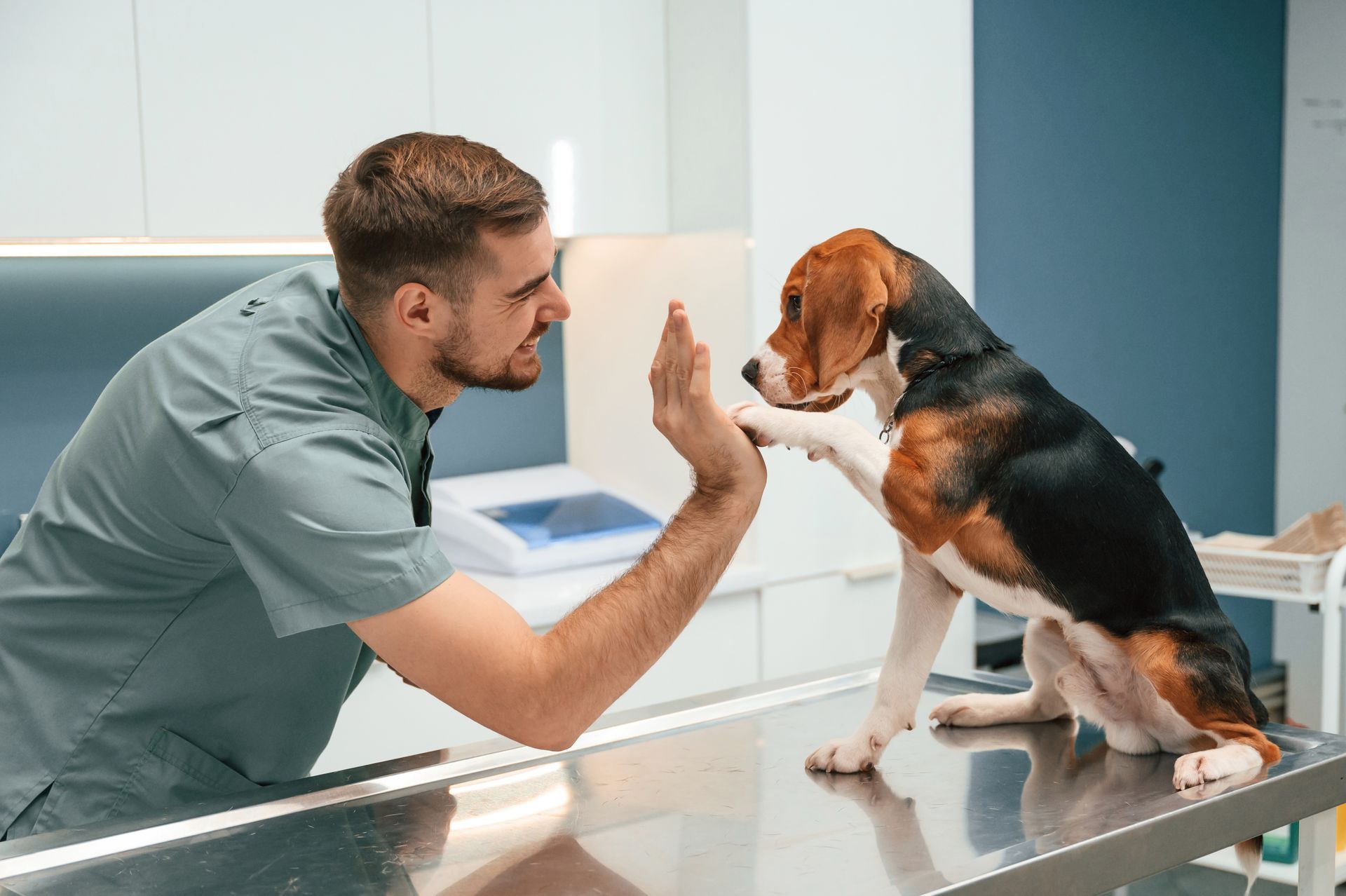
Your pet's first visit to a veterinary hospital can feel overwhelming, and this guide helps Roseville, CA, pet owners know exactly what to expect so they can feel calm and prepared. Whether you have a brand-new puppy from West Roseville, a rescue kitten from the Woodcreek area, or an adult dog you recently adopted, knowing the steps ahead of time makes a real difference. A first veterinarian hospital visit typically follows a clear, predictable process from check-in to checkout.
What to Bring to Your First Veterinarian Hospital Visit
Arriving prepared helps your appointment run smoothly. Staff will want to review any health history your pet already has, so gathering records in advance saves time. If your pet has never been seen by a vet before, that is okay too. The team will start a fresh file.
Here is what to bring:
- Any prior vaccination records or shelter paperwork your pet came with.
- A list of any food, supplements, or medications your pet currently takes.
- A stool sample in a sealed bag if your vet requested one for parasite screening.
- Your pet in a secure carrier or on a leash for safety in the waiting area.
- A list of any questions or concerns you want to discuss.
What Happens During Check-In?
Check-in at a veterinarian hospital serving Roseville, CA, is usually quick and straightforward. A receptionist will confirm your pet's name, species, age, and your contact information. You may be asked to fill out a new patient form if you have not already done so online.
While you wait, keep dogs on a short leash and cats inside a closed carrier. Many pets feel anxious in a new environment, which is completely normal. Some clinics offer separate waiting areas for dogs and cats to help reduce stress.
The Physical Exam Walkthrough
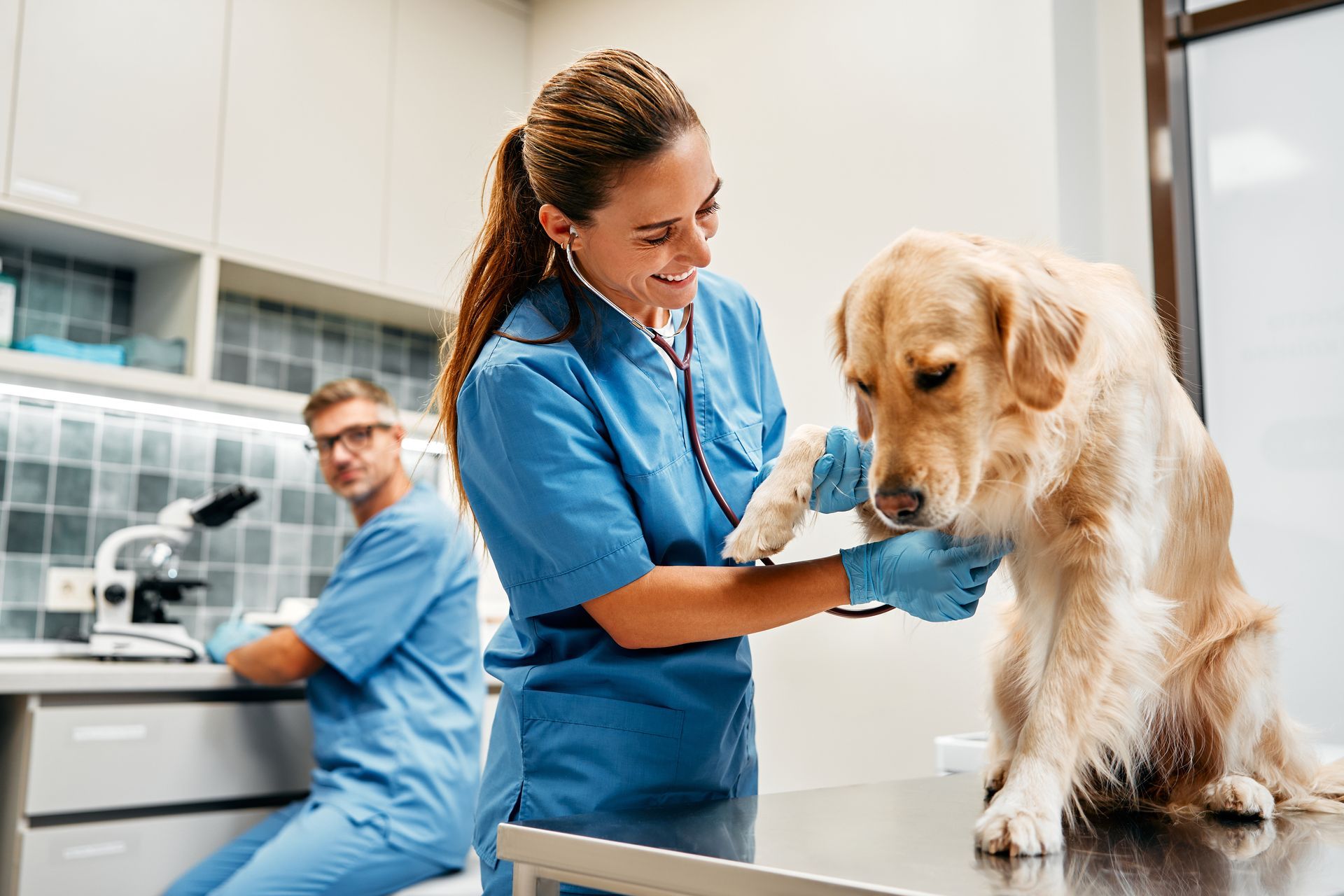
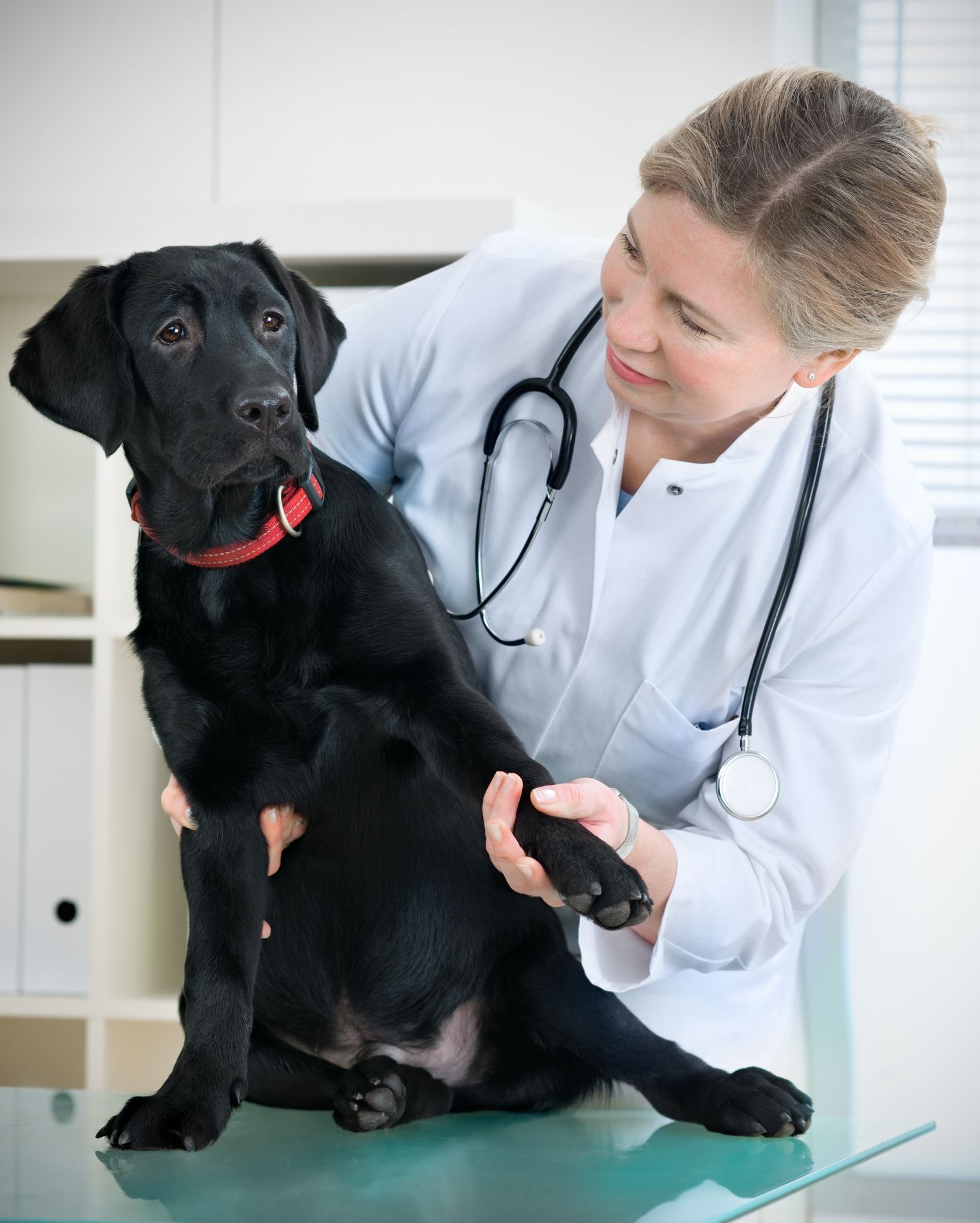
A head-to-tail physical exam is the heart of every first visit. Your veterinarian will check your pet systematically and share findings as they go. This is a great time to ask questions.
The exam typically covers:
- Eyes, ears, and nose for discharge, redness, or unusual odor.
- Teeth and gums for early signs of dental disease.
- Heart and lungs by listening with a stethoscope.
- Abdomen by gently feeling for organ size and any discomfort.
- Skin and coat for parasites, lumps, or skin conditions.
- Joints and limbs for mobility and pain.
- Weight compared to healthy ranges for the breed and age.
Vets may also ask about your pet's diet, exercise habits, bathroom patterns, and behavior at home. These details help build a complete picture of your pet's health. You can learn more about what a routine checkup covers on the wellness page.
Vaccinations and Wellness Screening
Vaccines are often administered during or right after the physical exam. Core vaccines for dogs commonly include rabies, distemper, parvovirus, and Bordetella. Cats often receive vaccines for rabies and feline distemper, among others. Puppies and kittens typically begin their vaccine series at around eight weeks of age and follow a schedule of boosters over several months.
Wellness screening may also include a fecal test for intestinal parasites, which is especially relevant for pets in the greater Sacramento Valley region where outdoor exposure to wildlife and soil can increase parasite risk. Heartworm testing may be recommended depending on your pet's lifestyle. Learn more on the vaccination page.
Questions to Ask Your Vet
Every first visit is a chance to build a strong relationship with your veterinary care team. Ask clear questions and take notes.
Good questions to bring up include:
- What vaccines does my pet need today, and when are the next ones due?
- Is my pet at a healthy weight for their age and breed?
- What parasite prevention do you recommend for our area?
- How often should I schedule wellness visits?
- Are there any early warning signs I should watch for at home?
- When should I consider spaying or neutering?
Do not hesitate to ask about anything that seems unclear. A good veterinarian hospital will take time to explain things in plain language.
What to Expect After the Visit
Your vet will wrap up by summarizing findings and recommending a care plan. This may include a follow-up visit, additional diagnostics, or a prescription. You will usually receive a printed or emailed summary of the visit.
Some pets may be a little tired or sore after vaccinations. This is normal and typically passes within a day. If your pet shows more serious symptoms such as facial swelling, difficulty breathing, or vomiting after a vaccine, contact your vet right away.
How Often Should My Pet Visit a Veterinarian Hospital?
Puppies and kittens typically need visits every three to four weeks until their initial vaccine series is complete. Adult pets generally benefit from annual wellness exams. Senior pets, often considered those aged seven or older, may do best with twice-yearly checkups to stay ahead of age-related conditions.
Is It Normal for My Pet to Be Nervous at the Vet?
Yes, nervousness is very common, especially on a first visit. Bringing a favorite toy or blanket with a familiar scent can help. Staying calm yourself also makes a difference, as pets often pick up on their owner's mood. Let the veterinary team know if your pet has any particular fears so they can adjust their approach.
Schedule Your Pet's First Visit with Sylvan Corners Pet Hospital
Knowing what to expect takes the stress out of that first appointment. Sylvan Corners Pet Hospital serves Roseville, CA, and surrounding communities including Carmichael, Fair Oaks, Orangevale, Rocklin, and Citrus Heights, offering compassionate veterinarian hospital care for dogs and cats of all ages. Call (916) 726-5200 or visit the contact page to schedule an appointment. Find us on Google Maps and read what local pet owners are saying: Sylvan Corners Pet Hospital.